5.00 (1 Rating)

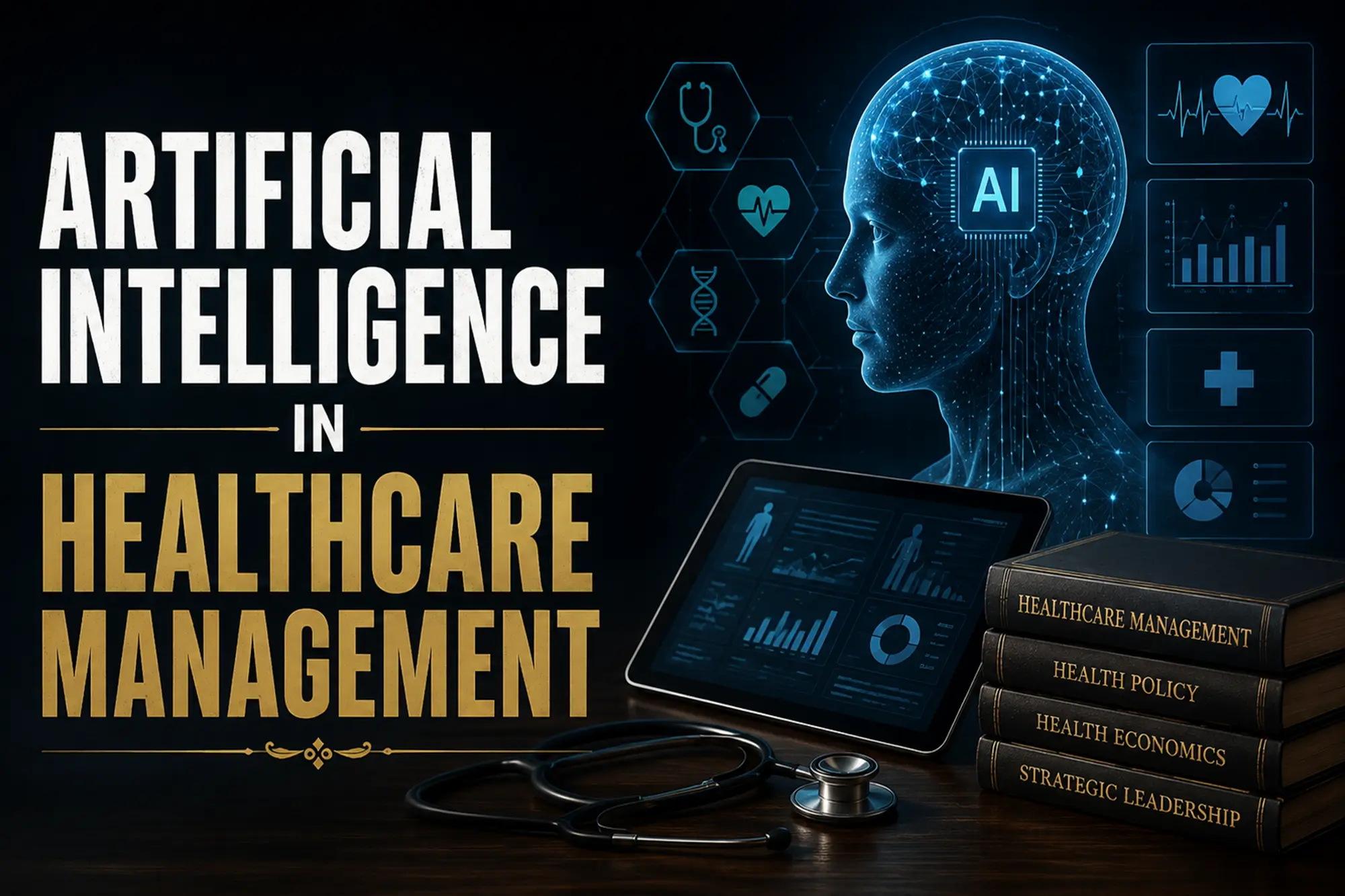
ARTIFICIAL INTELLIGENCE IN HEALTHCARE MANAGEMENT

What I will learn?

  • What You Will Learn
  • By the end of this course, you will be able to:
  • • Understand the fundamentals of Artificial Intelligence, Generative AI and AI Assistants.
  • • Understand the role and emerging applications of AI in healthcare.
  • • Learn basic Prompt Engineering techniques for healthcare applications.
  • • Apply AI to hospital operations, administration and management reporting.
  • • Understand AI applications in HR, recruitment and professional communication.
  • • Use AI to support healthcare quality management and NABH-related activities.
  • • Understand AI applications in patient services and patient experience.
  • • Understand healthcare data privacy, ethics and responsible AI.
  • • Identify opportunities for AI-enabled improvement in healthcare organizations.

Course Curriculum

MODULE 1: INTRODUCTION TO MANAGEMENT AND ORGANIZATIONAL FUNCTIONS
Learning Objectives Upon successful completion of this module, learners will be able to: • Define management and explain its significance in modern organizations. • Understand the importance of management in achieving organizational goals and objectives. • Describe the five core functions of management: Planning, Organizing, Staffing, Directing, and Controlling. • Identify the various roles performed by managers at different levels of an organization. • Understand the responsibilities and competencies required for effective management.

  • 1.1 Meaning of Management
  • 1.2 Importance of Management
  • 1.3 Functions of Management
  • 1.4 Roles of Managers
  • 1.5 Responsibilities of Managers
  • 1.6 Skills Required for Effective Managers

Module 2: Fundamental Management Approaches
Learning Objectives Upon successful completion of this module, learners will be able to: • Understand the evolution of management thought and practices. • Differentiate between various management approaches and their key characteristics. • Explain the principles, advantages, and limitations of classical and modern management theories. • Identify situations where different management approaches are most effective. • Apply management concepts to improve organizational effectiveness and decision-making.

Module 3: Leadership, Communication and Decision Making
Learning Objectives Upon successful completion of this module, learners will be able to: • Understand the concept and importance of leadership in organizations. • Differentiate between leadership and management. • Identify various leadership styles and their applications. • Apply effective communication strategies in managerial roles. • Understand the decision-making process and various decision-making models. • Utilize problem-solving techniques to address organizational challenges. • Develop skills for effective team management and coordination.

Module 4: Applying Management Principles in Practice
Learning Objectives Upon successful completion of this module, learners will be able to: • Apply management principles effectively in real organizational settings. • Manage teams, people, finances, and organizational resources efficiently. • Understand the causes of workplace conflicts and implement appropriate resolution techniques. • Utilize motivational strategies to improve employee engagement and productivity. • Analyze management situations using practical case studies and real-world examples. • Develop a personal management development plan for continuous professional growth and leadership enhancement.

Student Ratings & Reviews

5.0
Total 1 Rating
5
1 Rating
4
0 Rating
3
0 Rating
2
0 Rating
1
0 Rating
DS
1 day ago
Good knowledge
Free
Free access this course

A course by

Material Includes

  • Course Features & Included Materials
  • AI-Focused eLearning Experience
  • Access professionally designed learning materials, recorded lectures, presentations, practical demonstrations and downloadable notes through an easy-to-use online learning platform.
  • Practical Healthcare Applications
  • Learn how Artificial Intelligence can be applied to real-world healthcare management, including operations, administration, quality, HR, patient services, documentation and reporting.
  • Practical AI Exercises
  • Participants will work with healthcare scenarios and learn to create effective AI prompts, reports, checklists, SOPs and management documents.
  • Certificate of Completion
  • Participants who successfully complete the required course assessment will receive a verifiable digital Certificate in Artificial Intelligence in Healthcare Management (AIHM) featuring a unique certificate number and QR code for authentication.
  • Flexible Learning
  • Study anytime and anywhere through a modern online learning platform designed for students, healthcare professionals and working administrators.
  • Professional Applications
  • After completing this course, learners will be better prepared to support AI-enabled functions in:
  • • Healthcare Management
  • • Hospital Administration
  • • Hospital Operations
  • • Quality & NABH
  • • HR & Recruitment
  • • Medical Records
  • • MIS & Healthcare Analytics
  • • Patient Experience
  • • Healthcare Communication
  • • Digital Healthcare Transformation

Requirements

  • Eligibility
  • Applicants should have successfully completed:
  • 10+2 (12th Pass), Graduation or an equivalent qualification from a recognized Board/Institution.
  • Basic computer and internet knowledge is desirable.
  • No programming or coding experience is required.
  • Course Duration
  • 1 Week (Flexible Online Learning)
  • Learning Methodology
  • • Self-paced online learning
  • • Interactive video lectures
  • • AI tool demonstrations
  • • Downloadable study materials
  • • Healthcare case studies
  • • Practical AI exercises
  • • Quizzes and assessments
  • • Final online assessment

Tags

Target Audience

  • Who Is This Course For?
  • This course is designed for:
  • • Hospital Administrators and Healthcare Managers
  • • Doctors and Medical Professionals
  • • Nursing Professionals and Nursing Administrators
  • • Quality and NABH Professionals
  • • Hospital HR Professionals
  • • Medical Records and MIS Professionals
  • • OPD/IPD and Operations Executives
  • • Healthcare Management Students
  • • Hospital Administrative Staff
  • • Healthcare Entrepreneurs and Professionals interested in AI